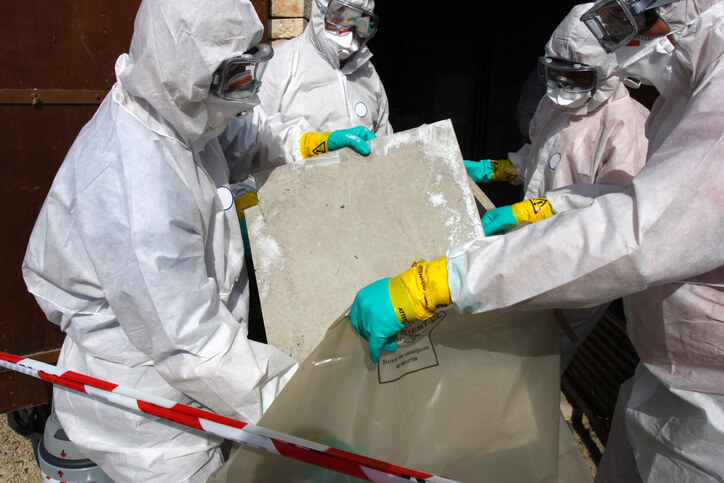
Asbestos used to be a common construction material before people began to realize how hazardous it was. It was a great option for durability and heat resistance. Now, we have a better understanding of just how hazardous it can be, which is why it is no longer used. Structures that contain asbestos need professional asbestos removal services to safely remove the materials and help prevent airborne hazards in older homes, commercial buildings, and other renovation sites.
How exactly is asbestos removed? Because of the hazards that arise from the airborne particles, it requires a very specific and thorough process. Certain safety elements must be followed, which is why a qualified professional should handle the task. In this guide, we explore further asbestos removal and all that it entails.
Why Is Asbestos So Dangerous?
Asbestos is a material that is made up of flexible fibers. Those fibers are well-known for resistance to things like heat, electricity, and corrosion that quickly break down materials. It was once commonly used in all types of construction because of its durability. It was common in ceiling panels, roofing materials, insulation, floor tiles, and other building elements, and used for decades before the health hazards were recognized.
The health risks of exposure to these materials are quite severe. Studies reveal that there are more than 200,000 deaths globally each year from asbestos-related illnesses. These are some of the most common health risks.
- Mesothelioma: this rare and aggressive form of cancer has been linked solely to asbestos exposure
- Asbestosis: a chronic lung disease which is caused by inhaling and continued exposure to asbestos fibers
- Lung Cancer: may be experienced by people with heavy exposure to asbestos, particularly in smokers
While asbestos may not be as hazardous when left alone, any disturbance to the material can cause the fibers to break loose in the air, leading to astronomical health risks. These risks are why removal must be handled by a professional. There are legal requirements and safety elements that must be followed during removal.
Who Can Remove Asbestos?
Ultimately, a professional needs to handle asbestos removal. What constitutes someone as a qualified professional? The removal process is moderated by federal, state, and local regulations that must be complied with. Because of the health hazards and risks of asbestos, there are guidelines from the Environmental Protection Agency, the Occupational Safety and Health Administration, and state health departments. There is no good time for DIY removal, and many jurisdictions have made it illegal as well.
The professionals who offer asbestos removal should be certified for handling this material. They will have all of the required safety gear and be well trained in the removal process to ensure there is no exposure to those removing the product or those entering the property following removal. The protocols are very stringent, as are disposal regulations.
How is Asbestos Removed? Step-By-Step
While professionals should always handle the removal process, they follow a series of steps that are fairly common across the board. The professional will assess your situation and plan accordingly before they start the removal process. Let’s take a closer look at the individual steps.
- Inspection and Testing
A certified asbestos inspector will need to examine the materials affected by asbestos so a plan can be made. They typically collect samples and have them sent to a lab for analysis. The lab or testing process can help determine the type, location, and condition of the asbestos. All of this information helps them determine if the materials must be removed and how to safely do so. IN some cases, encapsulation may be a safer option than removal.
- Notification and Permits
Before removal begins, the professionals will need to go through the proper channels for notifications and obtain any required permits. These details will vary depending on local requirements. Overall, local and state agencies typically require notification, as well as a permit to do the work. This helps safeguard the process and ensure that containment, safety measures, and proper disposal are followed.
- Site Preparation and Containment
The crew you hire should always have a plan in place to contain asbestos so the fibers don’t escape the work area. They will need to prepare the site with containment materials like plastic sheeting. In addition, they should use negative air pressure machines and protect the HVAC system from possible contamination. Their work zone should be labeled as hazardous, and each worker should have the proper protective equipment.
- Removal
Most professionals use a wet removal process, which wets down the asbestos materials before removing them. This simply helps keep the dust and fibers from becoming airborne during removal. The workers will carefully remove materials as needed for the job.
- Handling and Disposal
There are very strict restrictions on how asbestos materials must be handled and disposed of. The waste is to be double bagged in 6-mil thick plastic bags; they must be labeled according to EPA requirements, and the waste must be disposed of at a licensed hazardous waste facility. Improper disposal will lead to fines.
How Long Does Asbestos Removal Take?
The timeline for a removal project is going to depend heavily on how large and complex the affected area is. It may also depend on how many people are working on the removal. Generally speaking, residential areas take about 1-2 days, while a large commercial project will take anywhere from several days to weeks. Your professionals will be able to give you a better timeline that is specific to your project.
The costs will also vary depending on the project. Ask for an estimate so you can prepare for the costs. Small residential areas typically cost less than $5,000, while a large project is going to be charged per square foot of removal. However, these costs are nothing compared to the costs of facing health issues from exposure.
Final Thoughts
Professional asbestos removal is the only way to properly and safely remove asbestos from your space. The process is highly regulated because of the severe risks and hazards that come with the materials. It’s not a job for an amateur because you want to make sure it gets done right to protect anyone in the home or business being worked on.